Concussions and Mild Traumatic Brain Injuries After a Car Accident
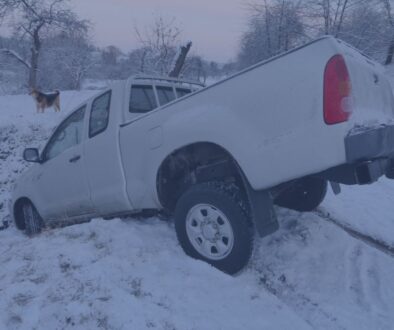
Because you never lost consciousness and were able to “walk away” from a pretty serious automobile accident, you felt fortunate, sure you were going to be fine once you got over the shock.
While the exam revealed you’d suffered a “mild concussion” when your head snapped back against the headrest, then forward on the steering wheel, you assured yourself things would soon return to normal.
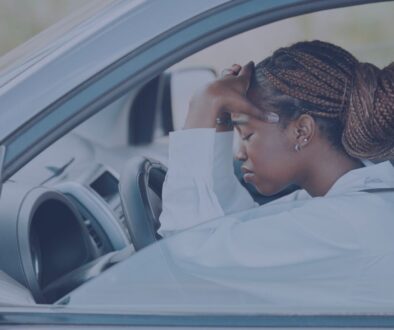
It became worrisome when both family members and co-workers noticed you having difficulty concentrating on tasks. The headaches and nausea have been occasional, but quite severe…
Is it time to file a personal injury claim? Should you request more testing? Will your insurer cover the costs?
What are the signs of a concussion after a car accident?
After a car accident, concussion symptoms can include headaches, dizziness, nausea, blurred vision, sensitivity to light or noise, memory problems, difficulty concentrating, fatigue, irritability, and sleep changes. Symptoms may appear hours or even days after the collision, and you do not need to lose consciousness to have a concussion. Seek medical attention promptly, especially if symptoms worsen or affect your ability to work, drive, or manage daily activities.

I help people who’ve been in an Ontario automobile accident that caused a concussion. My function is to help you understand your treatment funding, your insurance benefits, and your legal options.
Because I personally guide each of my clients throughout the process, they can focus on their health while I make sure they comply with all reporting requirements and make informed decisions.
For a no-obligation chat, call 519 658 6341
– Rob Konduros, Personal Injury & Long-Term Disability Lawyer
What is a concussion or mild traumatic brain injury?
- A concussion is a type of brain injury
Concussions occur when a blow or sudden force causes the brain to move within the skull. Concussions may result from:
- a direct impact to the head, face, or neck
- rapid acceleration or deceleration
- a forceful movement of the head and body during a collision
- contact with the steering wheel, window, headrest, airbag, or other object
Note: The Government of Canada recognizes that a concussion may result from a hit to the head, neck, face, or body.
- You do not have to lose consciousness
Most concussion cases do not require a person to have been “knocked out”. Incorrectstatements might include:
- “It cannot be a concussion because you remained conscious.”
- “You are fine because you walked away from the accident.”
- “Mild” does not necessarily mean insignificant.
The term “mild” refers to the initial medical classification of a traumatic brain injury. It does notnecessarily describe:
- the intensity of every symptom
- how long symptoms will last
- the effect on employment
- the effect on parenting or household responsibilities
- the overall effect on a person’s quality of life
- A normal scan does not necessarily rule out a concussion.
- Routine X-rays do not diagnose concussion.
- A CT scan may be used to look for bleeding, fractures, or other structural injuries.
- An uncomplicated concussion may not appear on routine CT or MRI imaging.
- Diagnosis is generally based on clinical history, symptoms, examination, and the exclusion of more serious conditions.
Note: the Government of Canada states that a concussion cannot ordinarily be seen on routine imaging, while Ontario’s Living Concussion Guidelines describe diagnosis as a clinical process that includes ruling out more serious brain, spinal, and neurological conditions.
Common concussion symptoms after a car accident
|
Symptom category |
Symptoms the person may notice |
|
Physical |
headache, pressure in the head, dizziness, nausea, balance problems, fatigue, blurred vision, sensitivity to light or sound
|
|
Cognitive |
confusion, slower thinking, difficulty concentrating, forgetfulness, mental fog, difficulty following conversations
|
|
Emotional |
irritability, anxiety, sadness, unusual emotional reactions, frustration |
|
Sleep-related |
difficulty falling asleep, disrupted sleep, sleeping more than usual, daytime drowsiness
|
Note: These symptoms are consistent with federal and Ontario concussion resources.
Symptoms don’t always fit the clinical labels; after an accident, people have found themselves:
- reading the same paragraph repeatedly
- forgetting why they entered a room
- losing track of a conversation
- becoming overwhelmed in a grocery store
- feeling dizzy when looking at a phone or computer screen
- becoming unusually irritable with family members
- needing to lie down after routine activities
- struggling to drive, work, or make decisions
Delayed concussion symptoms you should not dismiss
Concussion symptoms do not always begin at the scene of the accident. They may become noticeable later that day or over the following days.
Symptoms may initially be overlooked because of…
- adrenaline and stress after the collision
- attention being focused on more obvious injuries
- symptoms initially appearing mild
- the person resting more than usual after the accident
- cognitive problems becoming obvious only after the person returns to work or school
- family members being the ones noticing personality or memory changes
Examples of delayed symptoms:
- headaches becoming more frequent
- dizziness when standing or moving
- difficulty using a computer
- increased sensitivity to noise or light
- problems multitasking
- unusual exhaustion
- changes in mood or sleep
- trouble remembering appointments or conversations
Key legal and medical point
It is not a good idea to delay reporting symptoms, thinking that, only if symptoms persist will that prove causation… it is a good idea to report:
- when each symptom began
- how the symptom has changed
- how the symptom is affecting daily activities
- whether similar symptoms existed before the collision
Emergency warning signs after a head injury
Seek emergency medical help immediately for:
- a severe or worsening headache
- repeated vomiting
- a seizure or convulsion
- loss of consciousness
- double vision
- weakness, tingling, or burning in the arms or legs
- increasing confusion, agitation, or unusual behavior
- difficulty waking the person
- new problems speaking walking, or maintaining balance
- significant neck pain or tenderness
Note: Federal and Ontario concussion resources identify worsening headache, repeated vomiting, seizure, loss of consciousness, double vision, and limp weakness or tingling as urgent warning signs.
This article provides general information and is not a substitute for medical assessment. Call 911 or seek emergency care when urgent warning signs are present.
What should you do if you suspect a concussion?
- Tell the healthcare provider that the symptoms followed a motor vehicle accident.
- Describe all symptoms, not only the headache or neck pain.
- Mention any memory gap, disorientation, or unusual behavior.
- Ask what symptoms require emergency reassessment.
- Arrange follow-up if symptoms continue or change.
Note: Ontario’s Living Concussion Guidelines recommend referral to a physician or nurse practitioner for diagnosis confirmation and formal documentation.
Follow the recommended recovery plan
- Recovery recommendations may include:
- a short period of reduced physical and cognitive demands
- gradual return to appropriate activity
- temporary work or school accommodations
- follow-up with a primary care provider
- referral to regulated rehabilitation professionals where appropriate
Note: Ontario’s adult concussion guidance indicates that prolonged rest may worsen outcomes, and that gradual activity should generally resume as tolerated under appropriate medical guidance.
- Avoid another head injury
A second injury during recovery may create additional medical risk. Readers are encouraged to obtain medical guidance before returning driving, sports, hazardous work, or other activities that could expose them to another collision or fall.
- Ask for written restrictions and limitations such as:
- reduced screen time
- shorter shifts
- additional breaks
- no driving
- no work at heights
- reduced noise or light exposure
- temporary limits on lifting or physical exertion
- reduced cognitive workload
Written restrictions can help an employer understand what accommodations may be needed and provide clearer evidence of the injury’s functional effect.
Keep a daily record of your symptoms and limitations
What to document:
- headache severity and duration
- dizziness or balance problems
- nausea
- vision problems
- sensitivity to light or noise
- sleep changes
- memory lapses
- difficulty concentrating
- mood changes
- medications taken
- activities (unsuccessfully) attempted
- worked missed
- help required from family members
Helpful hint: Emphasize function, not symptom labels. For example, rather than saying “I had brain fog.” Say “I tried to prepare an invoice, but entered the same information three times and could not finish the task.”
Consistency matters. Your record may help:
- the treating healthcare provider follow your recovery
- you remember details at later appointments
- the insurer understand the pattern of symptoms
- a lawyer assess the effect on employment and daily life
- medical professionals compare changes over time
How a concussion can affect work and daily life
- Cognitive work that can expose symptoms:
- reading and writing
- using computer screens
- processing detailed information
- remembering instructions
- managing deadlines
- multitasking
- driving
- communicating with clients or colleagues
- Physical and sensory environments may become difficult:
- bright offices
- construction sites
- busy retail environments
- machinery noise
- long commutes
- frequent movements
- work requiring balance or coordination
- Family members may notice changes:
- forgetfulness
- irritability
- withdrawal
- unusual fatigue
- repetition
- difficulty making decisions
- reduced participation in household or parenting tasks
What evidence may support an Ontario concussion claim?
- Medical evidence
- ambulance and emergency department records
- family doctor or nurse practitioner notes
- concussion assessment results
- neurological examination findings
- referrals to specialists or rehabilitation providers
- physiotherapy or occupational therapy record
- vision of vestibular assessment records
- medication records
- written work restriction
- follow-up appointment records
- Employment evidence
- missed work records
- reduced hours
- modified duties
- accommodation requests
- employer correspondence
- changes in performance
- income records
- Daily life evidence
- symptoms diary
- calendar of appointments
- receipts for treatment and related expenses
- notes about assistance provided by family
- examples of activities you can no longer perform –or must perform differently
- Collision evidence
- collision report
- photographs
- witness information
- vehicle damage information
- ambulance or police records
- insurance correspondence
Note: There does not need to have been serious vehicle damage in order to establish a concussion. The legal and medical analysis should focus on the mechanism of injury, the medical evidence, reported symptoms, and the resulting impairment.
Ontario accident benefits for a concussion or mild TBI
- Accident benefits may be available regardless of fault
Ontario’s Statutory Accident Benefits Schedule may provide benefits to an injured person regardless of who caused the accident.
Depending on the policy and circumstances, benefits may include:
- medical benefits
- rehabilitation benefits
- attendant care benefits
- income replacement benefits
- non-earner benefits
- caregiver benefits
- other optional benefits
- Important July 1, 2026 Ontario insurance change
For Ontario automobile policies entered into on or after July 1, 2026, medical,
rehabilitation, and attendant care benefits remain mandatory. Other accident benefits, including income replacement benefits, or optional and depend on the coverage purchased.
* Review your policy or speak with your insurer, broker, or lawyer to determine what coverage applies.
- Report the collision and request the accident-benefit forms
- FSRA advises insured people to report an accident to their broker, agent, or insurer within seven days, or as soon as reasonably possible afterward.
- Under the SABS, the completed Application for Accident Benefits is generally submitted within 30 days after the applicant receives the forms from the insurer.
Note: Missing a deadline may create complications. Obtain legal advice promptly if forms or notices were delayed.
Is a concussion considered a “minor injury” in Ontario?
A medical diagnosis of concussion does not, by itself, determine the final insurance classification of the claim. The insurer must consider the medical evidence, the person’s impairments, and whether those impairments fall within
the legal definition applied under the Statutory Accident Benefits Schedule.
The Minor Injury Guideline
- The SABA definition of “minor injury” lists conditions such as:
- sprains
- strains
- whiplash-associated disorders
- contusions
- abrasions
- lacerations
- subluxations
- clinically associated sequelae
- The regulation applies a $3,500 medical and rehabilitation benefits limit where the insured person’s impairment is predominantly a minor injury.
- Classification may be disputed:
- A physician’s diagnosis should be supported by documented symptoms and functional limitations.
- Other injuries or impairments may also affect classification.
- Persistent cognitive, psychological vestibular or neurological impairments may require evidence beyond an initial emergency-room note.
- A lawyer can review whether the insurer’s classification reflects the available medical evidence
A concussion is not automatically a “catastrophic impairment”
- “Catastrophic impairment” is a defined legal category under the SABS.
- It is not simply another way of describing a painful or life-changing injury.
- A person may have a significant concussion claim without meeting the statutory catastrophic-impairment criteria.
- Qualification depends on the applicable statutory tests and medical evidence.
Accident benefits and a lawsuit are different claims
Statutory accident benefits claim
This claim is generally made through an applicable automobile insurer and may provide treatment or other benefits regardless of fault.
Tort or personal injury claim
A tort claim may address losses such as:
- pain and suffering, where the applicable legal requirements are met
- past and future income loss
- healthcare and rehabilitation expenses
- future care needs
- housekeeping or home-maintenance losses
- other accident-related damages
When should you speak with an Ontario personal Injury Lawyer?
It is recommended that you obtain legal advice when:
- symptoms continue or become worse
- the injury affects work, school, driving, or parenting
- the insurer places the claim in the Minor Injury Guideline
- a treatment plan is denied
- the insurer disputes the concussion diagnosis
- you are asked to attend an insurer examination
- income replacement or another purchased benefit is denied
- the insurer requests a recorded or detailed statement
- you are offered an early settlement
- there are pre-existing headaches, mental health conditions, or previous concussions
- more than one insurer is involved
- the collision involved a pedestrian, cyclist, commercial vehicle, or unidentified driver
- you are uncertain about a legal deadline
How Rob Konduros can help after a concussion
- He can review the collision circumstances and available insurance coverage.
- He can identify the appropriate insurer for an accident-benefits application.
- He can review all medical and rehabilitation evidence.
- He can help document the effect of symptoms on work and daily life.
- He can challenge denied treatment or disputed benefit entitlement.
- He can review a Minor Injury Guideline
- He can communicate with insurers and defence representatives.
- He can preserve evidence and monitor legal deadlines.
- He can assess a possible claim against an at-fault party.
- He can work with appropriate medical and rehabilitation professionals.
- He can advise you before an insurer examination or settlement discussion.
Do not ignore what changed after the collision
Remember:
- A person does not need to lose consciousness to have a concussion.
- Symptoms may be delayed.
- Normal routine imaging does not necessarily exclude an uncomplicated concussion.
- Medical attention should come first.
- Consistent documentation can help protect access to treatment and support.
- Ontario insurance classifications are legal determinations that should not be confused with the word “mild” in a TBI.
If concussion symptoms are affecting your work, memory, balance, or daily life — or your insurer is questioning your diagnosis or treatment, speak with an experienced Ontario personal injury lawyer.
FAQs
-
Yes. Most concussions do not require a person to lose consciousness. A concussion can happen when a collision causes the brain to move inside the skull, even if you remain awake and are able to walk away from the accident.