Personal Injury
Legal Resources for Personal Injury Victims in Canada: A Comprehensive Guide
Navigating the legal landscape after a personal injury can be a daunting task, but you don’t have to face it alone. In Canada, there are numerous legal resources, support groups, and organizations dedicated to assisting personal injury victims. This comprehensive guide aims to provide a valuable list of resources that can offer support, guidance, and advocacy during your journey to recovery.
1. Canadian Legal Information Institute (CanLII):
CanLII is a valuable online resource that provides free access to Canadian legal decisions and statutes. It can be a useful tool for researching legal precedents related to personal injury cases.
4. Victim Services Programs:
Many provinces have victim services programs that offer support to those who have experienced a crime or traumatic event. These programs often provide information, counseling, and assistance navigating the legal system.
5. Injury Prevention Organizations:
Explore organizations like Parachute Canada, which focuses on injury prevention. They offer resources and initiatives to help raise awareness and reduce the risk of various types of injuries.
6. Brain Injury Canada:
For individuals dealing with traumatic brain injuries, Brain Injury Canada offers support, education, and advocacy. Their website provides valuable resources for both survivors and their families.
7. Spinal Cord Injury Canada:
This organization is dedicated to supporting individuals with spinal cord injuries. They offer resources, peer support, and information to help navigate the challenges associated with spinal cord injuries.
8. Canadian Red Cross – Restoring Family Links:
In cases of serious injury or disaster, the Restoring Family Links program by the Canadian Red Cross can help reconnect families that have been separated. They provide support in finding loved ones and navigating legal processes.
9. MADD Canada (Mothers Against Drunk Driving):
MADD Canada offers support to victims of impaired driving. They provide resources, support groups, and advocacy efforts to raise awareness about the consequences of impaired driving.
In the aftermath of a personal injury, it’s crucial to have a network of support and access to reliable information. The listed resources encompass a range of services aiming to assist personal injury victims in Canada on their path to recovery and justice. Remember that you’re not alone — reach out to our lawyers at Hilborn and Konduros as well as these organizations for the support you need.
Landmark Personal Injury Cases in Canada: Shaping Legal Precedents
Within the annals of Canadian legal history, there exists a tapestry of personal injury cases that have not only shaped the legal landscape but also paved the way for justice and accountability. In this exploration, we delve into notable personal injury cases in Canada, examining the impact they have had on legal principles, compensation standards, and the pursuit of justice.
1. Andrews v. Grand & Toy Alberta Ltd. (1978):
Significance: This case is a cornerstone in Canadian personal injury law. It introduced the concept of “non-pecuniary loss” and established that damages should be awarded based on the individual’s pain and suffering, setting a precedent for the evaluation of intangible losses.
2. Thornton v. Prince George School District No. 57 (1976):
Significance: This case laid the groundwork for the duty of care owed by educators to their students. The court ruled that schools and teachers have a responsibility to ensure the safety and well-being of students under their supervision, influencing subsequent cases involving negligence in educational settings.
3. Edwards v. Law Society of Upper Canada (2001):
Significance: Although not a typical personal injury case, Edwards had a profound impact on how courts address mental health issues. The Supreme Court of Canada held that the denial of entry to the bar based on a history of mental illness constituted discrimination, emphasizing the importance of mental health considerations in legal proceedings.
4. Clements v. Clements (2012):
Significance: This case clarified the principles of causation in personal injury law. The Supreme Court of Canada emphasized a flexible approach to causation, allowing for a common-sense evaluation of whether the injury was caused by the alleged negligence, providing more nuanced guidance for future cases.
5. Mustapha v. Culligan of Canada Ltd. (2008):
Significance: Mustapha expanded the understanding of psychological injuries in personal injury claims. The court ruled that a plaintiff can claim damages for mental distress even if they did not suffer a physical injury, acknowledging the significant impact psychological harm can have on an individual’s well-being.
6. Childs v. Desormeaux (2006):
Significance: This case addressed social host liability, establishing that hosts who serve alcohol may be held liable for the actions of intoxicated guests. It clarified the duty of care owed to third parties and the potential legal consequences for hosts in certain circumstances.
7. Bourbonniere v. Canada (Citizenship and Immigration) (2018):
Significance: This case highlighted the importance of considering cultural and systemic factors in personal injury claims. The Federal Court held that the government’s negligence in processing immigration applications could result in compensation, recognizing the broader impact of administrative decisions on individuals and families.
These landmark personal injury cases in Canada have left an indelible mark on the legal landscape, shaping the way courts approach negligence, causation, and the recognition of intangible losses. As these cases demonstrate, each legal battle contributes to the ongoing evolution of personal injury law, ensuring that the pursuit of justice remains a dynamic and adaptive process, attuned to the changing needs and complexities of society.
Navigating the Aftermath: Mental Health and Personal Injury
The aftermath of a personal injury extends beyond physical pain and medical treatments; it often casts a profound shadow on mental well-being. Recognizing the intricate connection between personal injury and mental health is crucial, not only for individuals navigating the recovery process but also for those involved in legal claims. In this post, we delve into the psychological impact of personal injuries and shed light on how mental health considerations play a pivotal role in personal injury claims.
1. The Invisible Wounds:
While physical injuries are evident, the emotional and psychological toll of a personal injury is often unseen. Victims may grapple with anxiety, depression, post-traumatic stress disorder (PTSD), and other mental health challenges, affecting their overall quality of life.
2. Impact on Daily Life:
Personal injuries can disrupt various aspects of daily life, from the ability to work to engaging in routine activities. The resulting changes can contribute to feelings of isolation, frustration, and a sense of loss, further exacerbating mental health struggles.
3. Psychological Impact on Recovery:
The relationship between mental health and physical recovery is symbiotic. Emotional well-being can significantly influence the recovery process, affecting adherence to treatment plans and the overall effectiveness of rehabilitation.
4. Mental Health Considerations in Personal Injury Claims:
a. Pain and Suffering Compensation:
- Personal injury claims often include compensation for pain and suffering. It’s crucial to articulate the psychological impact of the injury, detailing how it has affected mental health and overall well-being.
b. Therapeutic Interventions:
- Including the costs of mental health treatments, therapy, and counseling in the claim can be essential. These interventions are not only valuable for recovery but also strengthen the case for the psychological impact of the injury.
c. Loss of Enjoyment of Life:
- Personal injuries may lead to a diminished ability to enjoy life’s activities. Addressing this loss in the claim underscores the broader impact on mental health and emotional well-being.
5. Expert Testimony:
In personal injury cases, mental health professionals can provide expert testimony to validate and emphasize the psychological consequences of the injury. Their insights contribute to a more comprehensive understanding of the victim’s experience.
6. Establishing Causation:
Linking the personal injury to the subsequent mental health challenges is crucial in a legal context. Medical records, expert opinions, and personal testimonies can all contribute to establishing causation in personal injury claims.
Acknowledging the intersection of mental health and personal injury is an essential step toward holistic recovery. In personal injury claims, addressing the psychological impact strengthens the case, ensuring that compensation reflects not only the visible wounds but also the unseen struggles. By fostering a comprehensive understanding of the challenges faced by personal injury victims, we can work towards a legal framework that genuinely supports their recovery journey. Remember, seeking mental health support is a vital component of healing after a personal injury, and your well-being matters just as much as your physical recovery.
Dealing with Insurance Companies: Tips for Maximizing Your Settlement
When it comes to personal injury claims, dealing with insurance companies can often feel like a complex and daunting task. However, armed with the right knowledge and strategies, you can navigate this process with confidence and increase your chances of receiving a fair settlement. In this post, we’ll explore some valuable tips for maximizing your settlement when dealing with insurance companies in Canada.
1. Seek Professional Guidance
One of the most effective steps you can take is to consult with an experienced personal injury lawyer. They possess the expertise to assess the value of your claim, negotiate with insurance adjusters, and advocate for your rights. Having a legal expert by your side can significantly impact the outcome of your settlement.
2. Document Everything
Thorough documentation is crucial. Keep detailed records of your medical treatments, expenses, and any other losses you’ve incurred due to the injury. Presenting organized and comprehensive documentation can help substantiate your claim and provide a clear picture of the impact the injury has had on your life.
3. Avoid Quick Settlements
Insurance companies might attempt to offer a quick settlement soon after the incident. However, it’s important to resist the urge to accept these offers right away. In many cases, the full extent of your injuries and losses may not be immediately apparent. Consulting with a lawyer before accepting any settlement can ensure you’re not being shortchanged.
4. Know Your Rights
Familiarize yourself with your rights and entitlements under Canadian law. This includes understanding the coverage limits of the insurance policy, the types of compensation you’re eligible for, and the legal timeframes for filing a claim. Armed with this knowledge, you can confidently engage in negotiations.
5. Engage in Strategic Negotiation
Insurance adjusters are skilled at minimizing settlements. It’s important to approach negotiations strategically. Be prepared to provide evidence of liability and the extent of your damages. Highlight the impact the injury has had on your life, including physical, emotional, and financial aspects.
6. Don’t Provide Unnecessary Information
While it’s important to be honest, avoid volunteering excessive information that could be used against you. Insurance adjusters may try to use statements or actions to dispute your claim. Stick to the facts and consult with your lawyer before making any official statements.
7. Consider Future Damages
A comprehensive settlement should account for not only your current losses but also potential future damages. Long-term medical expenses, ongoing treatment, and possible loss of earning capacity should all be factored into your claim.
8. Be Patient
The negotiation process can take time. Patience is key when dealing with insurance companies. Rushing through negotiations may result in a settlement that doesn’t adequately address your needs.
In conclusion, dealing with insurance companies requires a strategic and informed approach. By seeking professional advice, documenting your losses, understanding your rights, and engaging in careful negotiation, you can maximize your chances of receiving a fair and just settlement. Remember, a personal injury lawyer can be an invaluable ally throughout this process, guiding you towards the resolution you deserve. Contact our team to get the professional help you need to maximize your settlement.
Firework Safety: Minimizing Fire-Related Accidents and Injuries
As the May long weekend approaches, many Canadians look forward to celebrating with fireworks displays. While fireworks can be a dazzling spectacle, it’s crucial to prioritize safety to prevent fire-related accidents and injuries. In this blog post, we will explore essential tips and guidelines for firework safety, specifically focusing on the upcoming May long weekend.
1. Familiarize Yourself with Local Laws and Regulations:
Before planning any firework activities, it’s essential to research and understand the specific laws and regulations governing fireworks in your province or municipality. Each region may have restrictions on the types of fireworks allowed, age restrictions, permitted usage locations, and designated times for fireworks displays. Adhering to these regulations ensures a safe and legal celebration.
2. Purchase Fireworks from Reputable Sources:
When purchasing fireworks, it is crucial to obtain them from authorized and reputable sources. Avoid buying fireworks from unreliable or unauthorized vendors, as they may not meet safety standards. Look for certified fireworks that bear the Canadian Standards Association (CSA) label, ensuring they have undergone proper testing and are approved for use in Canada.
3. Designate a Responsible Adult:
Ensure that a responsible adult takes charge of the fireworks display. This individual should be knowledgeable about firework safety practices and prepared to enforce safety guidelines. This person should also be sober and free from distractions to maintain a safe environment during the event.
4. Choose the Right Location:
Select a suitable outdoor location for the fireworks display. The area should be clear of any flammable materials, including dry grass, trees, or structures. It is recommended to perform fireworks displays in open spaces, away from buildings and vehicles, to minimize the risk of fires and accidents.
5. Read and Follow Instructions:
Carefully read and follow the instructions provided by the firework manufacturer. Each firework has specific handling and ignition guidelines that must be adhered to for safe use. Pay attention to recommended safety distances, lighting procedures, and any additional precautions mentioned on the packaging.
6. Keep Water and Fire Extinguishers Nearby:
As a safety precaution, have a water source, such as a hose or bucket of water, readily available in case of emergencies. Additionally, keep a fire extinguisher nearby to quickly extinguish any fires that may occur. Ensure that the fire extinguisher is suitable for handling different types of fires, including those caused by fireworks.
7. Maintain a Safe Distance:
Always maintain a safe distance from ignited fireworks. Follow the recommended safety distances specified on the packaging to prevent injuries caused by fireworks launching debris or malfunctioning fireworks. Encourage spectators to keep a safe distance and establish a designated viewing area.
8. Dispose of Used Fireworks Properly:
After the fireworks display, dispose of used fireworks safely. Submerge used fireworks in a bucket of water to ensure they are fully extinguished before disposal. Avoid throwing used fireworks into trash bins or leaving them lying around, as they may still pose a fire risk.
Celebrating the May long weekend with fireworks can be an enjoyable experience for all, but it’s essential to prioritize safety to prevent fire-related accidents and injuries. By familiarizing yourself with local laws, purchasing fireworks from reputable sources, designating a responsible adult, choosing a suitable location, following instructions, maintaining a safe distance, and disposing of used fireworks properly, you can ensure a safe and memorable celebration. Remember, prioritizing firework safety is crucial not only for your well-being but also for the well-being of those around you.
Water Safety and Liability: Know Your Rights at Public Pools, Beaches, and Water Parks
As the summer season approaches, many Canadians seek relief from the heat by visiting public pools, beaches, and water parks. While these aquatic environments offer fun and relaxation, it’s essential to be aware of water safety measures and understand your rights regarding liability. In this blog post, we will explore water safety considerations and the legal aspects associated with public water recreation areas.
When visiting public pools, beaches, or water parks, it is important to pay attention to the level of supervision and lifeguard services available. Adequate supervision and trained lifeguards can significantly enhance water safety. Look for designated lifeguard stations, signage indicating the presence of lifeguards, and clear instructions on their areas of coverage.
While lifeguards play a crucial role in ensuring water safety, it is important to take personal safety precautions. Swim with a buddy to avoid swimming alone, and always have someone nearby who can provide assistance if needed. Be aware of your swimming abilities and avoid venturing into deep water or dangerous currents beyond your skill level. Respect warning signs that indicate strong currents, shallow areas, or hazardous conditions. Stay hydrated by drinking plenty of water, especially when spending extended periods in the sun. Use appropriate flotation devices, such as properly fitted life jackets, especially for non-swimmers or children.
When visiting water parks, follow safety guidelines provided by the park management. These may include height restrictions, proper use of slides and rides, and guidelines for children’s play areas. Pay attention to instructions from staff and adhere to the recommended safety practices to prevent accidents and injuries.
Owners and operators of public pools, beaches, and water parks have a duty of care to ensure the safety of visitors. They are responsible for maintaining a safe environment, properly functioning equipment, and adequate supervision. In the event of negligence or failure to fulfill this duty, liability may be established.
However, it’s important to recognize that personal responsibility also plays a role in water safety. Individuals should adhere to safety rules, respect warning signs, and act responsibly to prevent accidents. Failure to do so may contribute to any resulting injuries and affect liability and compensation claims.
If you or a loved one sustains an injury due to water-related incidents at public pools, beaches, or water parks, it is advisable to seek legal advice. Our team of experienced personal injury lawyers at Hilborn & Konduros can evaluate the circumstances of the incident, determine liability, and guide you through the legal process to protect your rights and seek appropriate compensation.
In conclusion, when enjoying public pools, beaches, and water parks, it’s important to prioritize water safety and be aware of your rights regarding liability. Follow safety measures, pay attention to lifeguard services, take personal safety precautions, and respect posted guidelines. Remember that owners and operators have a duty of care, but personal responsibility is also essential. If an injury occurs, consult a personal injury lawyer to understand your rights and seek legal recourse. By staying informed and acting responsibly, you can enjoy a safe and enjoyable water recreation experience.
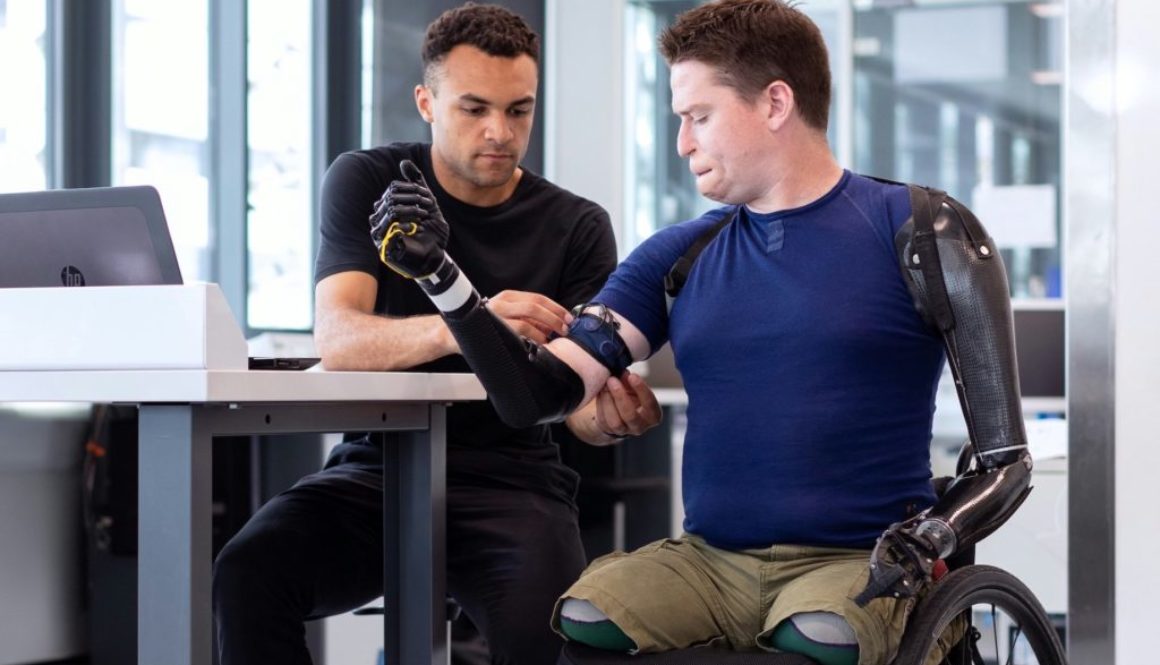
Long-Term Care and Rehabilitation for Catastrophic Injury Victims: Canadian Resources and Rights
Suffering a catastrophic injury can have life-altering consequences, affecting not only the injured individual but also their loved ones. In Canada, individuals who experience catastrophic injuries have rights and access to resources that can aid in their long-term care and rehabilitation. In this blog post, we will explore the importance of long-term care and rehabilitation for catastrophic injury victims in Canada, as well as the available resources and the rights they have in the pursuit of recovery.
Understanding Long-Term Care:
Long-term care plays a vital role in supporting the needs of catastrophic injury victims. It involves the provision of ongoing medical assistance, personal care, and rehabilitative services to individuals with severe and often permanent impairments. Canadian healthcare systems, both at the federal and provincial levels, provide various long-term care options tailored to the specific needs of the injured person.
Rehabilitation Services:
Rehabilitation services are critical for maximizing the recovery and quality of life for catastrophic injury victims. These services encompass a wide range of therapies, including physical therapy, occupational therapy, speech therapy, and psychological counseling. Rehabilitation aims to restore functionality, promote independence, and help individuals regain their physical, cognitive, and emotional well-being.
Canadian Healthcare System:
In Canada, healthcare is primarily administered at the provincial and territorial levels, resulting in some variation in available resources and services across the country. Provincial health insurance plans, such as OHIP in Ontario or MSP in British Columbia, typically cover necessary medical treatments and consultations. Catastrophic injury victims should familiarize themselves with the specific programs, benefits, and coverage options available in their province.
Accessing Rehabilitation Programs:
Rehabilitation programs are offered through various channels in Canada. Publicly funded programs, such as those provided by hospitals, rehabilitation centers, or community-based organizations, aim to deliver comprehensive rehabilitation services. Private rehabilitation facilities and practitioners are also available, and individuals may have the option to access their services using private insurance coverage or out-of-pocket payments.
Insurance Coverage:
Insurance coverage plays a significant role in facilitating long-term care and rehabilitation for catastrophic injury victims. Depending on the circumstances surrounding the injury, individuals may be entitled to benefits from various insurance policies, including auto insurance, workers’ compensation, or private disability insurance. Understanding the terms, limitations, and application processes of these insurance policies is crucial to ensure access to the necessary resources.
Legal Rights and Compensation:
Catastrophic injury victims in Canada have legal rights and options to seek compensation for their injuries. Personal injury lawsuits can be pursued against responsible parties, such as negligent drivers, employers, or product manufacturers. These legal actions aim to secure financial compensation to cover medical expenses, long-term care, rehabilitation costs, lost income, and other damages incurred as a result of the injury.
Long-term care and rehabilitation are fundamental aspects of the recovery process for catastrophic injury victims in Canada. By understanding the resources available within the Canadian healthcare system, accessing rehabilitation programs, exploring insurance coverage options, and asserting their legal rights, individuals can optimize their chances of receiving the necessary care and support. It is important for victims and their families to seek guidance from healthcare professionals and legal experts specializing in catastrophic injury to ensure they receive the comprehensive care and compensation they deserve.